찾아보고 싶은 뉴스가 있다면, 검색
검색
최근검색어
  • DS
    2026-06-27
    검색기록 지우기
  • DR
    2026-06-27
    검색기록 지우기
  • F
    2026-06-27
    검색기록 지우기
  • IB
    2026-06-27
    검색기록 지우기
  • IND
    2026-06-27
    검색기록 지우기
저장된 검색어가 없습니다.
검색어 저장 기능이 꺼져 있습니다.
검색어 저장 끄기
전체삭제
18,819
  • Allure of High Wage, Shadow of Harsh Work

    Allure of High Wage, Shadow of Harsh Work

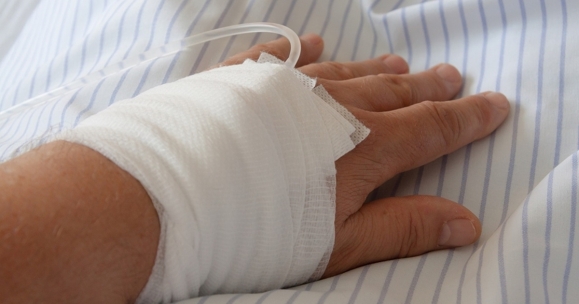
    [The 2019 Migrant Report]For the past 10 years, suicides in Nepali migrant workers working at farms and factories in South Korea have continued. In recent years, labor and medical groups in the country have begun to pay close attention to figure out why they are particularly at risk. “It cannot be explained by a single factor. Instead, there is a web complex reasons to trap migrant workers towards an extreme choice,” said Jeong Young-seob, Co-director of Migrants Act. In August, the Seoul Shinmun in collaboration with Green Hospital‘s Labor, Environment, Health Research Center and the Migrants Trade Union conducted a survey titled ’Stress and Mental Health Status‘, in which 141 migrant workers from Nepal took part. The survey was done through a paper and face-to-face interview. We also analyzed existing reports authored by the Government of Nepal “Labor Migration for Employment?A Status Report for Nepal: 2018” as well as by the International Labor Organization “When the safety of Nepali migrant workers fails (2016)”. We also studied additional statistics on migrant workers’ suicide published by the Embassies of Vietnam, Nepal, Thailand and Myanmar. As a result, we found that there are four major factors that make Nepali migrant workers in South Korea more vulnerable: ▲gap between expectation and reality ▲ lack of exit ▲high expectations from loved ones ▲ ruined relationships at home. When these four factors are mixed with one another, they could lead to a whirlwind consequence. # Great Expectations = Great Disappointments The first risk factor is Nepali migrant workers’ high expectation of South Korea. To aspiring Nepali migrant workers, South Korea is a land of opportunity, where they could earn five to eight times more monthly income than what they could earn in their home country. For this economic advantage, even highly educated young Nepalis including university-degree holders strive to get an E-9 visa to South Korea. When they finally come, however, they often struggle with harsh labor conditions and dehumanizing discrimination. According to the survey mentioned earlier, 28 percent of the respondents cited a huge gap between the reality of their work in Korea and the expectation they had in Nepal as the biggest source of frustration. A couple of Nepali migrant workers shared their experience with the Seoul Shinmun. Surendra(28·fake name) has been working at a mushroom farm for three years in Korea. He graduated from Tribhuvan University, one of the top universities in Nepal. “Before I came here, I was just excited about being able to earn 2 to 3 million won a month. I did not have a clear understanding of working and living conditions here. The reality, however, is very different from my imagination.” He then added, “Working for straight 12 hours without any real break is something that we rarely experience in Nepal. Nevertheless, I would feel much more satisfied if I were at least learning some skills. But all I have been doing here is simple manual labor.” According to our status survey, nearly 45.6 percent of the respondents answered that they work longer than 52 hours a week. 19.1 percent even said they work more than 60 hours a week, which is counted as one of the criteria for chronic overwork. Among the respondents, only 26.1 percent could take advantage of a 5-day workweek. # No Exit After working in South Korea for 16 months, Nepali migrant worker Shrestha(27) jumped from the rooftop of his company dorm building in June 2017. He had been suffering from serious insomnia as he struggled to adjust himself to alternating shifts between day and night. Before he committed suicide, Shrestha left a note. He wrote: “I have been seeing doctors for health problems and sleep disorders. It did not improve. I wanted to quit and find another work but the company did not allow it. I wanted to go back to Nepal for recovery, but the company said no.” Similar stories have been confirmed through the status survey. 71.1 percent of the respondents answered they have tried to find another workplace. Their reasons for wanting to find new work was similar to that of Shrestha. 36.4 percent cited long working hours and dangerous working conditions. Migrant workers who come to South Korea under the employment permit system are allowed to change workplaces up to three times within a three-year period. But it requires permission from their current employer. Lawyer Choi Jeong-Kyu said, ”If an employer gives permission to one worker, then he or she has to do the same for the others. For small-sized factories and farms depend on migrant workers, and employers are reluctant to let go of their labor force. Thus, the system inherently makes it difficult for migrant workers to find new employment, even after serious abuses, unless they could find assistance from labor unions or migrant organization.“ # Heavy Shoulders No matter how harsh and hostile it is, returning to Nepal is not an option for many of them. It had not been easy for them to come to Korea in the first place. But as long as they carry the weight of their family‘s expectation on their shoulder, it’s even more difficult to go back. This emotional burden coming from the family and community pressure is a significant factor. According to the report by the Nepali government, all 17 people who committed suicide between 2008 and 2014 were bearing the responsibility to provide for their families. ”People in Nepal don‘t pay much attention to the stories about wage theft or workers getting beaten up. If migrant workers go back, the villagers would criticize them for forsaking a great opportunity to earn 3 million won a month. People will laugh at their failure and brand them weak. Caught between a rock and a hard place, many Nepali migrant workers end up with suicide,“ explained Udaya Rai, head of the Migrants Trade Union(MTU), who is also from Nepal. Gokul Sharma(21) said he came to Korea for the happiness of his family. Yet, he was afraid of getting disapproving looks from his neighbors. Most of the people in Nepal agree with this analysis. In addition, Nepali youths invest a lot of time and money to make their ’Korean Dream‘ come true. ”In order to come to South Korea, many of us first have to borrow some money and take the Test of Proficiency in Korean“ added Sunita(41), who has been running a resting place for Nepali migrants for 10 years in Cheongju City. # Ruined Relationship What sustains migrant workers despite their harsh labor is their family and loved ones. However, when the relationship collapses, it shakes up all the rest. Tej bahadur Gurung(29) had two friends who chose suicide due to relationship problems. One person’s case involved family issues while the other one involved a romantic relationship. Khan Bahadur Gurung(45·fake name) recalled his experience, too. ”I had to deal with a family issue while I was working non-stop in Korea. I couldn‘t afford to go back to take care of the problem. That really tormented me.“ Dr. Kapil B. Dahal from the Department of Anthropology at Tribhuvan University underlined relative naivety and lack of experience of Nepali youths. Dr. Dahal said he was also aware of the suicide problem of Nepali migrant workers in South Korea. Meeting with the Seoul Shinmun at his house in Kathmandu on August 29th, he explained how it is a huge pressure for them to go abroad and make money for the family, especially considering how young they are. Dr. Dahal pointed out that there have been little studies dedicated to Nepali migrant workers’ suicide. In fact, the Korean Ministry of Justice keeps a track record of low-skilled migrant workers‘ deaths in Korea country by country. But its focus is on numbers, not the causes of their deaths. It means we do not have sufficient data to comprehend their unexpected deaths. ”Perhaps not as many as in South Korea, but Nepali migrant workers in the Middle East and Europe also commit suicides. Yet the Nepali Government and politicians don’t do anything. Nepali migrant workers make a great contribution to the country‘s economy. However, their health conditions are overlooked and their suicides are ignored,“ said Dr. Dahal as he criticized the indifference of the government. An official at the Nepali Embassy in Seoul told the Seoul Shinmun that they had made a request to their government for a research subsidy but there had been no progress. The person said, ”Yet, we do offer counseling services for migrant workers’ mental health.“ Udaya Rai of the MTU questioned its effectiveness. He said, ”You know they are not interested in addressing the fundamental problem of these deaths and suicides. They only fear that the South Korean government might slash quota for the employment permit system if we start to speak up about these problems. That‘s why they stay silent and hurriedly send bodies back to Nepal.“ Kathmandu·Dong kharka·Pokhara Ki Mindo key5088@seoul.co.krEnglish Translation: Lee Myungju ana.myungjulee@gmail.com ▶The Seoul Shinmun plans to cover more in-depth stories involving migrant workers, marriage migrants and migrant children in South Korea. If you have experienced or witnessed wage theft, uncompensated workplace injuries, verbal and/or physical abuses, we are waiting for your news tips. Email: key5088@seoul.or.kr Also, get in touch with more news tips and stories on bullying and any form of discrimination against marriage migrants and migrant children. Your news tips will strictly remain anonymous and protected.
  • Shattered ‘Korean Dream’… Overlooked suicides of Nepali migrant workers in S Korea 

    Shattered ‘Korean Dream’… Overlooked suicides of Nepali migrant workers in S Korea 

    [The 2019 Migrant Report]In the past 10 years(2009-2018), 43 people out of 143 Nepali migrants who died in South Korea took their own lives- meaning 3 out of 10 deaths involved suicides. The Seoul Shinmun confirmed the figure through the Embassy of Nepal in Seoul and found out most of the cases involved migrant workers who entered the country with E-9 visa. Yet, a bigger tragedy lurks behind their unsung deaths as neither the Government of South Korea nor the Government of Nepal pays much attention to these recurring problems. In 2018, Nepal sent the largest number of non-professional or low-skilled migrant workers(8,404) to South Korea. Obviously, they come to this country for the so-called ‘Korean Dream’. But then, why did so many of them have to die on South Korean soil? From August 26th to September 2nd, the Seoul Shinmun met with some forty people in cities throughout Nepal -such as Kathmandu, Dong Kharka and Pokhara. These people included family members of migrant workers as well as Nepali youths who were dreaming of coming to South Korea to work one day. Three Stories of Betrayed Korean Dreams #Kedar Timalsina(28) An adult-size coffin wrapped with cardboard boxes and plastic tapes was carried out of the Tribhuvan International Airport in Kathmandu. Inside the coffin lay a 28-year-old man named Kedar Timalsina. When his body was found around midnight on July 20th in Saha District, Busan, he was already dead as he apparently hanged himself in the storage of a seafood processing factory. Waiting for him at the airport arrival site were some men from Kedar’s family. “This paper doesn‘t say anything about why Kedar killed himself,” they mumbled among themselves while sifting through the pages of the simple document sent from South Korean police. Kedar’s family said they did not understand why he had to make such an extreme choice to kill himself. It had been only 25 days since his wife Bandana Timalsina gave birth to their first son. The newborn looked like his father. “You know, I even heard Kedar threw a big party to celebrate the birth of this baby. Why would such a man kill himself? It doesn’t make any sense,” said Bandana’s older brother. Besides, Kedar had an aging mother who just turned 60 and would need his care more than before. What further frustrated the grieving family was the abhorring silence and indifference. Neither South Korea nor Nepal provided an adequate explanation. The Embassy of Nepal in Seoul and South Korean police seemed they were done with the case since they had returned the body to his family. South Korean police never investigated surveillance cameras installed in the factory or carried out forensics on Kedar’s mobile phone. The police said, “We found no evidence of murder on his body. Moreover, we understand he had a clear motivation to commit suicide.” “How can they not even review the CCTV and mobile phone? Is this how South Korea handles things?” Bandana‘s older brother asked a Korean reporter sitting in front of them. According to South Korean police, on the other hand, Kedar’s family was the “clear motivation” behind his suicide. Citing a statement made by Kedar’s co-worker, the police explained that Kedar had recently purchased some land, which turned out to be a fraud. “It’s a lie!” Listening to the Korean reporter relaying what he had heard from the police, Kedar’s family got furious. They insisted, “He bought the land a year ago for 2.90 million rupees (roughly 30 million Korean won) but now the price has gone up to 4.35 million rupees (roughly 43.5 million Korean won).” None of Kedar’s personal belongings were returned to his family. The police said, ”The Nepali Embassy told us that his family did not want his items back.“ The family‘s account was different. They said they had never communicated with the Embassy about Kedar’s personal belongings. ”We are responsible for confirming the identity and death certificate in order to promptly return the body back to his family in Nepal. The Embassy does not send back items unless they are important,“ the Embassy of Nepal replied when asked about it. On the day of the arrival, the family took Kedar’s body to the Bagmati River, an important tributary of the Ganges. When Bandana opened the cover of the coffin to see her husband for the last time, she burst into tears caressing his face. ”Why… What should I do with our baby?“ Kedar’s family moistened his mouth with water from the Ganges and put fire into the mouth to cremate. It took 4 hours for the fire to consume his body. With Kedar’s ‘Korean Dream’, all was gone.# Bal Bahadur Gurung(32) ”He really loved the children. These kids remind me of my husband every time I see them,“ said Lili Maya Gurung(28) thrusting a tissue under her sunglasses. The Seoul Shinmun met her in Pokhara in central Nepal. Lili Maya‘s husband Bal Bahadur Gurung forced himself off the Wolleung Bridge in Jungnang District, Seoul, on June 12th, 2018. He died immediately after being hit by a passing vehicle. CCTV footage showed Bal Bahadur walking back-and-forth over the bridge several times. He seemed nervous. He hesitated. But nothing would change the fact that he had just become an ‘unregistered’ migrant two days ago. He feared deportation. Bal Bahadur entered South Korea with a proper work visa in October 2017. In the following March, however, he left the company and registered himself at the Ministry of Labor to find another work. Migrant workers automatically lose their right to stay in the country if they fail to secure employment within three months. Bal Bahadur went back to Nepal to spend a short time with his family then came back to South Korea. Unfortunately, he had no luck in finding work. Time marched on inexorably until his three months were up. He became an unregistered or illegal migrant. That night, Bal Bahadur had no money. Later, a message found on his mobile phone showed that he had been trying to borrow some money from his co-worker. ”Had he owned some money, do you think he could have been able to get a taxi to go home in Suwon and lived?“ Lili Maya came to South Korea to take care of the remains of her husband by herself. “Unfortunately, many people in Nepal can’t afford to come to Korea even if a family member dies here. Still, the Nepali Embassy does nothing about it,” sighed another Nepali, Lama Dawa Pasang(43), who had been helping Lili Maya during her visit. Lili Maya’s neighbors often ask her, “Your husband looked so happy when he was visiting you two months before he passed away. What happened to that happy man? What happened in South Korea?” Shocked by his youngest son’s tragic death, Bal Bahadur’s father -a former soldier- is suffering from amnesia. In Nepal, when a family member dies, they make an altar at home to display a photo of the deceased and burn incense every morning and evening. ”Mom, we only do this for dead people. Did Daddy die?“ Lili Maya’s seven-year-old daughter asked. “No, your father has gone abroad to work,” replied Lili Maya. But that did not stop Lili Maya from crying. “I want to die, too. But when I think of these poor children, I can’t.”# Dhan Raj Ghala(40) “I am enocent. I have no mistake. Company cheating me. I am no crazy […] company take my signiture [...] please investigation please” This is part of Dhan Raj Ghala’s letter, hand-written in English. He apparently died as a result of a suicide by hanging in June 2011 while working at a futon factory in Dalseo District, Daegu City. Dhan, who first came to South Korea in September 2010, even had a plane ticket booked to go back to Nepal. But, for some reason, he still ended up with the same tragic choice. Upon seeing a Korean reporter on August 31st in their home in Pokhara, Dhan’s wife Man Maya Ghala(48) and Dhan’s younger brother Bhim Raj Ghala(36) began talking about what had happened 8 years ago. Bhim said he had to go to South Korea because he could not let his brother go without knowing why he had to die there. To Bhim, his older brother was a man who loved his family more than anything and a hard-working person. “After seeing the letters, I thought Dhan must have been bullied at work,” Bhim explained. “He could have suffered from depression after learning he had signed something without knowing what it was. In the letter, he was worried that the company did something bad.” Dhan left another short letter written in Nepali, as well. He wrote, “I’ve done nothing wrong. I once fought with another worker from Mongolia. I don’t know what that Mongolian guy told Korean people… (The company) is cheating me.” Similar letters had also been sent twice to a manager of the company, in which Dhan wrote, “We used to talk to each other. But you don’t talk to me these days. I don’t understand. Please tell me why.” The company, however, denied the claims made by Dhan. They insisted that there was no bullying and that Dhan had never signed any document. It’s been told Dhan found Korea’s alternating shifts between day and night extremely difficult. Since mid-April, Dhan had been only given night shift for two months until his death. “My husband told me he could not sleep when he was working night shifts,” Man Maya explained. A source at a labor union said, “Dhan could have been very stressed due to night shifts and workplace bullying. When the company sounded as if they were to fire him, he must have felt extremely pressured.” In Nepal, when fathers bring gifts from overseas, they share it with neighbors. “When my children received their portion, they looked rather sad. They must have thought of their late-father,” Man Maya’s voice trembled as she recalled how it wounded her children. Her daughter and son were ten and five, respectively, at the time of their father’s death. Now they’ve grown to become a college student and a middle school student. ”I will never forgive those people who did wrong things to my father,“ Dhan‘s son vows to take revenge whenever the absence of his father strikes him. The siblings made a promise to each other not to go abroad no matter what. Nevertheless, Man Maya and Bhim said they did not hate Koreans. “You see in South Korea, as well as in Nepal, there are good people and bad people. Sadly, my husband met bad people. I don’t want to blame all Koreans because of them. Still, I want those bad ones to be punished.” Kathmandu·Dong kharka·Pokhara Ki Mindo key5088@seoul.co.krEnglish Translation: Lee Myungju ana.myungjulee@gmail.com ▶The Seoul Shinmun plans to cover more in-depth stories involving migrant workers, marriage migrants and migrant children in South Korea. If you have experienced or witnessed wage theft, uncompensated workplace injuries, verbal and/or physical abuses, we are waiting for your news tips. Email: key5088@seoul.or.kr Also, get in touch with more news tips and stories on bullying and any form of discrimination against marriage migrants and migrant children. Your news tips will strictly remain anonymous and protected.
  • The 2019 Migrant Report : Betrayed Korean Dreams

    The 2019 Migrant Report : Betrayed Korean Dreams

    Unusually high 30 percent suicide rate ofNepali non-skilled migrant workers in South Korea...“Fallen to the lowest rung of the workforce ladder,the highly educated are frustrated by harsh labor conditionsand discrimination” Migrants. Are they a solution to smooth out the approaching demographic cliff or are they a problem to exacerbate already tough employment and marriage prospects? Currently, there are 2.42 million migrant workers, marriage migrants and migrant children living in South Korea. This number has grown by 1.25 million in the past 10 years. In reality, local farms and factories cannot function without migrant workforces. Yet, many still brand migrant workers as “job snatchers”. Also, the so-called “multicultural family”, which consists of a Korean local married to a foreign spouse, makes up about 2 percent of the total population, with the number of individual family members surpassing one million. Nevertheless, many people still stigmatize marriage migrant women with scam marriages and view them with contempt. The Seoul Shinmun‘s Special Feature Reporting titled ’The 2019 Migrant Report: Betrayed Korean Dreams‘ will bring you a series of articles on ▲migrant workers ▲marriage migrant women ▲migrant children as we have been working to expose the discriminatory reality and debunk some of the groundless blames against them. The first episodes will shed light on systematic loopholes as they focus on young migrant workers who came to South Korea with their hearts filled with ’Korean Dreams‘ but ended up committing suicide.Suicides of Nepali migrant workers particularly deserve attention. According to the data that the Seoul Shinmun obtained from the Embassy of Nepal in Seoul, from 2009 to 2018, there were a total of 143 deaths of Nepali people on South Korean soil. Among them, 43 people committed suicides, accounting for 30.1 percent. Most of these deaths involved E-9 non-professional employment visa holders who had been employed at farms and factories that suffer a chronic labor shortage. While these tragic deaths repeat every year, the South Korean government does not have a clue why so many migrant workers make such an extreme choice. In contrast, when we looked at the cases of migrant workers from other countries such as Myanmar, there was a total of 51 deaths and 4 involved suicide, from 2011 to August 2019. Suicides rate is relatively low among Vietnamese migrant workers. There was zero suicide out of the 14 deaths from 2017 to August 2019. All these numbers have been confirmed with respective embassies. Seo Seonyoung, a Sociology researcher at Yonsei University says, “Nepali migrant workers who come to South Korea under the employment permit system tend to be highly educated.” Seo also notes how their families have great expectation for them. “But as soon as they step into the workplace, they would find themselves fallen to the lowest rung of the workforce ladder and the unbearable stress could eventually force them to commit suicide.” There are growing voices calling for a systematic improvement to end the vicious cycle. The South Korean government has been endeavoring to strengthen ties and cooperation with ASEAN countries as part of its ’New Southern Policy‘. Also, migrant workers are needed to compensate for the labor shortage. Hong Sung Soo, Law professor at Sookmyung Women’s University says, “Discrimination and xenophobic reactions towards migrants are not only inappropriate but also not clever at all if we consider our industrial and demographic realities.” Kathmandu·Dong kharka·Pokhara Ki Mindo key5088@seoul.co.krEnglish Translation : Lee Myungju ana.myungjulee@gmail.com ▶The Seoul Shinmun plans to cover more in-depth stories involving migrant workers, marriage migrants and migrant children in South Korea. If you have experienced or witnessed wage theft, uncompensated workplace injuries, verbal and/or physical abuses, we are waiting for your news tips. Email: key5088@seoul.or.kr Also, get in touch with more news tips and stories on bullying and any form of discrimination against marriage migrants and migrant children. Your news tips will strictly remain anonymous and protected.
  • [부고] 지승우씨 부친상, 서사봉씨 부친상, 전철홍씨 모친상

    ●지승우(통일부 교류협력기획과장)씨 부친상, 9월 30일 오후 10시 32분, 일산병원 장례식장 9호실, 발인 2일 오전 7시, 장지 경북 상주. ●전준경씨 남편상, 서연림(삼성서울병원 교수)·서사원(ITI 대표)·서지희(오픈스페이스 대표)·서사봉(용오름 대표·전 한국일보 기자)씨 부친상, 강현주·이주연(세브란스치과 원장)씨 시부상, 최건(건이비인후과 원장)·김정용(전 삼성SDS 연구원)씨 장인상, 1일 오전 11시12분, 삼성서울병원 장례식장 8호실(2일 낮 12시부터 15호실), 발인 3일 오전 7시30분. 02-3410-6908(2일 낮 12시부터. 02-3410-6915) ●전철홍(한국주택금융공사 홍보실장 겸 대변인) 씨 모친상, 1일 오전 8시 20분, 건국대병원 장례식장 202호, 발인 3일 오전 7시 30분. 02-2030-7900
  • 이진이, 美 TV 시리즈 ‘트레드스톤’ 출연에 쏠린 관심..‘이진이 누구?’

    이진이, 美 TV 시리즈 ‘트레드스톤’ 출연에 쏠린 관심..‘이진이 누구?’

    배우 황신혜의 딸인 모델 출신 배우 이진이가 영화 ‘본 시리즈’의 스핀오프 드라마 ‘트레드스톤’(Treadstone)에 출연한다. 이진이는 치열한 경쟁을 뚫고 오디션에 합격해 ‘트레드스톤’ 출연을 확정, 올여름부터 시작된 해외 로케이션 촬영을 마친 것으로 전해졌다. 이에 이진이가 이번 작품에서 어떤 모습을 보일지 관심이 쏠리고 있다. ‘트레드스톤’은 제이슨 본을 만들어낸 미국중앙정보국 산하 비밀 조직 기관 트레드스톤에 대한 이야기를 그린 액션 스릴러물로, 한효주와 이종혁이 출연해 화제를 모으기도 했다. 이는 NBC유니버셜 산하 제작사 UCP(Universial Contents Production)의 새 작품으로, ‘히어로즈’ 시리즈를 만든 팀 크링이 각본을 맡았고 영화 ‘본 시리즈’의 벤 스미스와 제프리 와이너가 제작에 참여했다. 사진=YG케이플러스 임효진 기자 3a5a7a6a@seoul.co.kr
  • ‘교통사고 참사’ 日여성, 재판 도중 남성 스토킹하다 체포

    ‘교통사고 참사’ 日여성, 재판 도중 남성 스토킹하다 체포

    어린이집 원아 2명을 숨지게 하고 14명에게 중경상을 입히는 대형 교통사고를 내 일본 사회에 큰 충격을 주었던 50대 여성이 사고 3개월여 만에 인터넷 채팅에서 만난 남성에게 스토킹을 한 혐의로 또다시 체포돼 지탄을 받고 있다. 1일 교도통신에 따르면 일본 시가현 경찰은 지난달 30일 인터넷 메신저 ‘라인’을 통해 알게 된 남성을 지속적으로 괴롭히고 협박해 온 A(53·시가현 오쓰시)씨를 스토커규제법 위반과 협박, 강요미수 등 혐의로 체포했다. A씨는 지난 8월 27일 라인을 통해 공무원 B(49)씨와 처음 알게 돼 문자 대화를 해 왔으나 어느날 B씨가 연락을 끊자 “라인에서 한 대화내용을 모두 까발리겠다”고 협박했다. 이를 못견딘 B씨가 휴대전화 번호를 바꿔 라인 접속을 완전히 차단하자 그의 직장으로 전화를 해 “인터넷에 (대화 캡처) 사진을 공개하겠다. 둘이서만 얘기를 나누자”고 하는 등 집요하게 치근덕거린 혐의를 받고 있다. B씨의 신고를 받고 A씨를 소환한 경찰은 조사 과정에서 충격적인 사실을 알게 됐다. A씨가 바로 지난 5월 전 일본을 떠들썩하게 만들었던 교차로 어린이 교통사고 치사사건 용의자였던 것. A씨는 5월 8일 오전 오쓰시 한 교차로에서 교통사고를 일으켜 어린이집 원아 2명을 숨지게 하고 다른 원아와 교사 등 14명에게 중경상을 입혀 기소됐다. 부주의하게 우회전을 하다가 다른 차와 충돌하면서 그 차가 때마침 인근 인도에서 줄지어 산책을 하고 있던 어린이집 원아들을 덮치는 원인을 제공했다. 사고 지점은 어린이집에서 200m 정도 떨어진 곳이었다. 애꿎은 어린이들이 목숨을 앗아간 이 사건은 일본 전역에 큰 충격을 주었고 한국 언론에까지 보도가 됐다. A씨는 7월 첫 공판에서 혐의를 인정해 보석으로 풀려난 상태에서 재판을 받아왔다. A씨가 스토킹으로 다시 체포됐다는 기사에 대해 일본 네티즌들은 “세상을 떠난 아이도 있고 부상 후유증에 시달리는 아이도 있는데도 이 여성은 반성을 전혀 하지 않고 있는 것인가. 처음에는 안됐다는 생각도 들었지만 이제는 전혀 그런 느낌이 없다”, “자책감에 사로잡혀 밥도 못넘기고 있을 거라고 생각했는데, 보석기간 중에 남자나 낚고 있었던 것인가. 직접 관계가 없는 나도 이렇게 화가 나는데 피해자 유족들은 어떨까” 등 분노에 찬 댓글들을 올리고 있다. 일부에서는 “사고 가해자가 된 뒤 정신적 고통을 견디지 못하고 저지른 사건 같은데, 보석으로 풀려나지 않고 차라리 구치소에서 복역을 하고 있는 편이 정신건강에 더 나았을지도 모른다”는 등의 의견도 나오고 있다. 도쿄 김태균 특파원 windsea@seoul.co.kr
  • [월드 Zoom in] 소멸 위기 日지자체 “젊은 여성들 제발 떠나지 마세요”

    진학·취업 이유… 전입은 도쿄가 최대 “여자보다는 남자가 줄어드는 편이 더 나은데….” 심각한 인구 감소로 이른바 ‘지방 소멸’ 위기감이 커지고 있는 일본에서 대도시로 떠나려는 ‘젊은 여성’을 붙잡기 위한 지방자치단체들의 안간힘이 이어지고 있다. 일본의 많은 지자체에서는 진학·취업 등으로 고향을 떠나는 사람들 가운데 여성 비중이 남성에 비해 압도적으로 높다. 여성 인구 유출은 인구 감소 가속화 등 지역사회에 미치는 영향이 남성보다 훨씬 클 수밖에 없다. 30일 니혼게이자이신문에 따르면 지난해 일본의 47개 도도부현(광역자치단체) 중 40곳에서 15~29세 청년인구의 ‘전출 초과’가 나타난 가운데 이 중 80%인 32곳에서 남성보다 여성의 유출이 더 많았다. 전출 초과는 다른 지역에서 들어온 사람보다 다른 지역으로 빠져나간 사람이 더 많은 것을 뜻한다. 여성 유출 초과는 상대적으로 낙후된 아오모리, 야마가타, 후쿠시마현 등 도호쿠 지역에서 두드러졌다. 야마가타현은 유출 인구가 남성 42%, 여성 58%로 성비 불균형이 가장 심했다. 지방 여성들이 가장 많이 향한 곳은 수도 도쿄도였다. 도쿄는 지난해 남성이 약 3만 4000명 늘어난 데 비해 여성은 이보다 41%가 많은 4만 8000명이 증가했다. 오사카, 후쿠오카, 지바 등 다른 대도시에서도 젊은 여성의 전입 초과가 두드려졌다. 여성들의 대도시 전출은 과거보다 교육이나 취업 기회가 확대되면서 활발해지고 있다. 니혼게이자이는 “과거 고도 성장기에는 지방의 젊은 남성들이 대거 도시로 유입됐지만, 지금은 여성들이 높은 진학률을 바탕으로 대기업이 많은 도시지역으로 이주해 오고 있다”고 분석했다. 지자체들은 대책 마련에 부심하고 있다. 아이치현은 여성의 기업경영 활성화 방안을 마련하는 한편 여성들이 살기에 좋은 지역이라는 점을 홍보하고 있지만 별다른 효과는 못 거두고 있다. 출산·육아 지원 등을 통해 여성 인구를 늘린 지자체가 일부 있지만 대부분 대도시 베드타운이고 멀리 떨어진 지방에서 성공한 사례는 전무하다. 아마노 가나코 닛세이기초연구소 주임연구원은 “지방 기업들은 남성 중심 근로환경이나 고정관념을 깨는 한편 같은 능력의 소유자라면 여성을 더 적극적으로 채용할 필요가 있다”고 말했다. 도쿄 김태균 특파원 windsea@seoul.co.kr
  • 아베와 다른 일본의 목소리

    아베와 다른 일본의 목소리

    도쿄 ‘한일 축제한마당’에 7만여명 몰려 日국토교통상 “韓, 문화 전해준 은인 나라” ‘우익 압박에 중단’ 소녀상 전시 재개될 듯 한일 갈등이 지속되는 가운데 상황 호전의 실마리로 보일 수도 있는 징후들이 일부에서 나타나 앞으로의 추이에 관심이 쏠린다. 지난 28~29일 일본 도쿄 히비야공원에서 열린 ‘한일 축제한마당’ 행사에 약 7만 2000명의 방문객이 다녀간 것으로 30일 추산됐다. 지난해보다 1만명 정도 줄었지만 2009년 첫 개최 이후 역대 두 번째로 많은 규모다. 특히 행사장에서 판매된 식품 등 한국 관련 상품 매출액은 지난해보다 15% 정도 늘었고, 주일한국문화원 체험부스는 한때 대기시간이 80분에 달할 만큼 장사진을 이뤘다. 황성운 주일한국문화원장은 “지난해에는 10주년을 기념해 행사를 예년보다 크게 준비했던 것을 감안하면 올해 양국 관계가 어려운 가운데서도 많은 일본 시민이 관심을 보여 준 것”이라고 말했다. 아카바 가즈요시 국토교통상은 첫날인 28일 축사에서 “한국은 일본에 문화를 전해 준 은인과 같은 나라다. 정부 간 문제가 생기더라도 민간교류가 활발하다면 양국 우호 관계는 조금도 흔들리지 않을 것으로 자신한다”고 한국에 찬사를 보냈다. 그가 자민당이 아닌 연립여당인 공명당 소속에다 관광진흥을 담당하는 자리에 있다고 해도 지금 같은 상황에서 일본 측 장관의 발언으로는 이례적이다. 앞서 27일 집권 자민당의 2인자인 니카이 도시히로 간사장이 한 방송에서 “원만한 외교를 전개할 수 있도록 한국도 노력할 필요가 있지만, 우선 일본이 손을 내밀어 양보할 수 있는 것은 양보해야 한다”고 말한 데 대해서도 전향적인 언급이라는 분석이 나왔다. 그러나 이런 사례들을 통해 변화 가능성을 기대하는 건 아직 무리라는 게 대체적인 평가다. ‘아베 1강’으로 상징되는 강력한 위세를 이어 가고 있는 아베 신조 일본 총리의 태도 변화가 가장 중요한데, 일제침략 등 과거사에 대한 수정주의 역사관을 바탕으로 보수 강경파의 목소리에 귀를 기울이고 있는 그가 현재 입장을 바꾸지는 않을 것이라는 분석이 지배적이다. 그는 지난 26일 미국 뉴욕 유엔총회에서 가진 기자회견에서도 “한일 군사정보보호협정(지소미아) 종료가 일방적으로 통보돼 유감”이라며 한국을 비판했다. 한편 지난 8월 일본 정부와 우익세력 등의 압박으로 중단됐던 ‘평화의 소녀상’ 전시가 재개될 것으로 전망된다. 교도통신은 이날 일본군 위안부를 상징하는 소녀상을 일본에 선보였다가 중단됐던 국제예술제 ‘아이치 트리엔날레 2019’의 전시코너 ‘표현의 부자유전·그 후’를 재개하기로 관계자들이 합의했다고 보도했다. 도쿄 김태균 특파원 windsea@seoul.co.kr
  • ‘쇠락의 길’ 걷는 日파친코 산업…2만개 육박하던 점포수 9800개 급감

    ‘쇠락의 길’ 걷는 日파친코 산업…2만개 육박하던 점포수 9800개 급감

    일본을 대표하는 사행산업인 ‘파친코’가 날개 없이 추락하고 있다. 경찰 등 정부당국의 강력한 규제와 다양한 오락산업의 등장 등으로 쇠퇴를 거듭하며 한때 2만개를 넘봤던 전국 파친코 점포 수는 어느덧 1만개 아래로 떨어졌다. 감소세는 앞으로 더욱 가파르게 이어질 전망이다. 30일 도쿄신문에 따르면 지난해 말 기준 일본의 전체 파친코 점포 수는 9794개로 5년 전에 비해 1700여곳이 감소했다. 전국적으로 1만 8000여곳에 달했던 1990년대 전반기에 비하면 절반 수준으로 떨어졌다. 파친코 산업의 침체가 최근 들어 본격화된 가장 큰 이유는 정부당국이 강력한 규제에 나섰기 때문이다. 정부는 지난해 2월부터 풍속영업법 시행규칙을 개정해 구슬 형태로 나오는 당첨 확률을 대폭 낮출 것을 의무화했다. 이를 통해 파친코를 찾는 사람들의 규모를 줄임으로써 도박중독 등 문제를 완화한다는 목적이었다. 규제는 상당한 성과를 거뒀다. 당첨률을 낮추기 위해서는 상당수 업소들이 파친코 기계를 교체해야 하지만, 소규모 점포들을 중심으로 비용을 감당하지 못해 문을 닫는 경우가 속출했다. 가뜩이나 자연 감소세를 이어오고 있는 파친코 업계의 위축을 더욱 가속화하는 이유가 됐다. 해마다 감소해 온 일본의 파친고 인구는 지난해 말 기준 820만명 정도로 추산된다. 사행성을 낮추기 위한 추가적인 풍속영업법 규제가 2021년 2월부터 모든 업소에 의무화되면 업계는 결정적인 타격을 받게 될 것으로 보인다. 지금까지는 파친코 게임을 1시간 할 경우 평균 당첨확률을 ‘3배 미만’으로 유지하도록 제한해 왔지만 앞으로는 ‘2.2배 이하’로 규제가 강화된다. 가장 큰 당첨인 ‘오아타리’(잭팟)의 한도도 기존의 구슬 2400개에서 1500개로 줄어든다. 경찰은 “이익을 크게 보는 사람과 손해를 크게 보는 사람의 차이를 줄임으로써 파친코의 사행성을 약화시키려는 것”이라고 밝히고 있다. 파친코 업계는 일련의 정부 조치에 반발하고 있다. 당첨 확률 등에 대한 규제 조치는 정작 도박중독자들에게는 별다른 영향을 주지 못하면서 친구들과 가볍게 오락으로 즐기려는 사람들만 파친고에서 몰아내는 결과로 이어질 것이라고 주장한다. 일본 정부가 파친코 억제를 통해 몇년 앞으로 다가온 카지노 활성화의 사전 정지작업을 하려는 것이라는 분석도 나온다. 일본에서는 지난해 ‘통합형 리조트’(IR) 관련법이 제정돼 2025년까지 전국 3개 지방자치단체에 카지노가 세워질 예정이다. 강한 도박성과 중독성을 이유로 철저히 금지해 온 카지노가 일본에서 최초로 허용되는 것으로, 이에 많은 국민들이 부작용을 이유로 반대하고 있다. 파친코 업계에는 “카지노 개설을 앞두고 전체 사행산업 규모를 축소시키는 한편 정부가 도박중독을 막기 위해 노력하고 있음을 국민들에게 보여주기 위해 우리를 고사시키려 한다”는 불만이 나오고 있다. 도쿄 김태균 특파원 windsea@seoul.co.kr
  • [아하! 우주] 은하의 3중 교통사고…충돌 앞둔 거대 블랙홀 3개 포착

    [아하! 우주] 은하의 3중 교통사고…충돌 앞둔 거대 블랙홀 3개 포착

    은하 중심에는 태양 질량의 수십만 배에서 수십억 배에 달하는 거대 질량 블랙홀이 존재한다. 만약 두 개의 은하가 충돌해 하나로 합쳐지면 두 개의 거대 질량 블랙홀 역시 강한 중력으로 인해 서로 이끌린 다음 충돌해 새로운 은하 중심 블랙홀로 진화한다. 과학자들은 관측을 통해 이 과정에 대해서 많은 것을 알아냈지만, 세 개의 은하 중심 블랙홀이 합체하는 과정은 관측이 어려웠다. 은하 충돌은 가까운 은하 간의 중력에 의해 발생한다. 만약 중력에 이끌려 충돌하는 은하가 세 개인 경우 당연히 세 개의 은하 중심 블랙홀이 접근해 하나로 합쳐질 수 있다. 그러나 이 과정에서 거대 질량 블랙홀이 많은 가스와 먼지를 흡수해 몸을 숨기기 때문에 중심 블랙홀이 몇 개인지 확인하기 힘들었다. 또 은하 충돌이 대개 멀리 떨어진 장소에서 발생하기 때문에 관측이 어려운 부분도 있었다. 그러나 최신 관측 장치의 도움으로 이런 사례가 하나씩 보고되고 있다. 최근 조지 메이슨 대학 연구팀이 이끄는 국제 과학자팀은 여러 관측 장비를 이용해 지구에서 10억 광년 떨어진 은하에서 세 개의 거대 질량 블랙홀을 확인했다. 연구팀은 대규모 천문 관측 데이터인 SDSS에서 특이한 활동 은하핵(AGN, active galactic nucleus)을 발견한 후 이를 미 항공우주국(NASA)의 찬드라 X선 위성, NuSTAR 위성, WISE 위성 및 지상의 거대 쌍안 망원경(Large Binocular Telescope, LBT)을 통해 조사하는 과정에서 이 같은 사실을 발견했다. 활동 은하핵은 많은 물질을 흡수하면서 강력한 제트를 내놓는 은하 중심 블랙홀로 충돌 은하에서 흔히 볼 수 있다. 연구팀이 확인한 SDSS J0849+1114 은하핵은(사진) 하나 이상의 활동 은하핵을 지니고 있었다. 여러 관측 데이터를 비교 분석한 결과 이 은하핵은 사실 세 개의 거대 질량 블랙홀로 구성되어 있었다. 연구팀은 이 블랙홀들이 서로 간의 중력에 의해 피할 수 없는 3중 추돌사고 경로에 들어섰음을 확인했다. 결국 시간이 지나면 이들은 하나의 거대 질량 블랙홀로 다시 태어날 것이다. 거대 질량 블랙홀의 합체는 은하의 성장과 진화와 밀접한 연관이 있다. 이번 관측 결과는 복잡한 은하 중심 블랙홀의 합체와 성장 과정을 이해하는 데 도움을 줄 것으로 기대된다. 고든 정 칼럼니스트 jjy0501@naver.com
  • “한국이 배척하는 건 일본이 아니라 아베 정책”

    “한국이 배척하는 건 일본이 아니라 아베 정책”

    박원순 서울시장은 “시민들(한국인들)은 일본 자체나 일본 국민을 배척하려는 것이 아니다”라며 “지방자치단체나 민간 차원의 양국 간 교류를 회복시켜야 한다”고 일본 언론에 말했다. 박 시장은 내년 도쿄올림픽에 적극 협조할 의사도 밝혔다. 박 시장은 29일 일본 마이니치신문에 실린 인터뷰에서 이렇게 말하면서 “오랫동안 구축해 온 평화와 공생의 양국 관계를 개선시키려는 노력이 필요하다”고 강조했다. 박 시장은 서울 중구가 일본제품 불매와 일본여행 거부를 촉구하는 깃발을 걸었다가 시민들의 비판을 받고 철거한 것을 예로 들며 “시민들은 아베 정권의 정책에는 반대하고 있으나 일본 자체나 일본 국민을 배척하려고 하지는 않는다”고 말했다. 박 시장은 서울시의회가 통과시킨 ‘일본 전범기업 제품 공공구매 제한에 관한 조례안’ 등에 대해 서울시가 재의를 요구한 데 대해 “한일 간의 문제를 해결하는 적절한 방법이 아니라는 견해가 많았기 때문”이라고 설명했다. 서울시의회는 지난 6일 일제시대 징용 피해자들이 일했던 일본기업을 ‘전범기업’으로 규정하고 해당 기업의 제품 구입을 하지 않도록 노력의무를 부과하는 등 내용의 조례안을 가결했지만, 서울시는 26일 재의 요구서를 의회에 제출하며 ‘수용불가’ 입장을 밝혔다. 박 시장은 서울시가 2032년 하계올림픽을 평양과 공동으로 유치하는 방안을 갖고 있음을 언급한 뒤 “내년 도쿄올림픽이 성공을 거둘 수 있도록 아시아 도시들이 협력해야 한다”며 2022년 동계올림픽이 열리는 중국 베이징을 비롯한 도시 간 제휴 필요성을 강조했다. 도쿄 김태균 특파원 windsea@seoul.co.kr
  • 불꽃놀이·콘서트 파행, 쫓겨난 노숙인들… 도쿄올림픽에 웁니다

    불꽃놀이·콘서트 파행, 쫓겨난 노숙인들… 도쿄올림픽에 웁니다

    신주쿠 경기장 신축으로 추방된 노숙인들“생존권 침해” JSC 상대로 손배 소송 진행 축제·체육대회 등도 줄줄이 취소·연기 “올림픽에 세금 과도하게 투입” 불만도2020년 도쿄올림픽(7월 24일~8월 9일)이 10개월여 앞으로 다가오면서 일본올림픽위원회(JOC) 등 대회 주최 측이 경기장과 숙박시설 등 지구촌 최대 스포츠 제전의 준비에 박차를 가하고 있다. 하지만 올림픽의 밝고 화려한 외형의 이면에서 많은 사람들이 고통과 불편을 강요당하고 있다. 대책없이 쫓겨난 노숙인들, 고대했던 행사와 콘서트를 올림픽에 빼앗겨 버린 사람들이 대표적이다. 29일 도쿄신문에 따르면 올림픽 주경기장으로 쓰일 신주쿠 국립경기장 신축으로 인근 메이지 공원에서 쫓겨난 노숙인들이 일본스포츠진흥센터(JSC) 등을 상대로 제기한 손해배상 소송이 진행되고 있다. 소송 원고들은 “강제로 쫓아내지 않겠다고 약속해 놓고 일방적으로 이를 어겼다. 명백한 생존권 침해로 헌법과 국제인권법 위반”이라며 금전적 손해 배상을 요구하고 있다. JSC는 2016년 4월 노숙인 20~30명이 의지하고 있던 공간을 강제로 폐쇄했다. 당시 법원 집행관이 노숙인들에게 퇴거 준비 시간을 20분만 준 뒤 곧바로 텐트, 담요 등 이들의 물건을 철거했다. 한 노숙인은 “메이지 공원에서 쫓겨난 뒤 직업소개소를 통해 일거리를 찾으며 바뀐 환경에 적응하려고 노력 중”이라며 “온 세상이 올림픽에 대해 환영 일색이지만 우리는 언제 또 쫓겨날까 걱정하는 신세”라고 한숨지었다. 특히 올림픽을 앞두고 사회 전반적으로 노숙인에 대한 시선이 차가워지는 현상이 두드러지고 있다. 도쿄 다이토구에서 노숙인 도시락 지원 봉사를 하는 70대 남성은 “올림픽과 무관한 곳에서도 경비원들이 노숙인들에게 다른 곳으로 이동할 것을 요구하는 등 노숙인들에 대한 이해도가 약해지고 있다”고 말했다. 각종 축제와 음악 콘서트, 체육대회 등도 줄줄이 취소 또는 연기되고 있다. 히로시마현 미야지마에서 펼쳐지는 ‘미야지마 수중 불꽃대회’가 취소되는 행사의 대표적인 예다. 이 축제는 세계유산인 이쓰쿠시마신사의 유명한 바다 위 도리이를 배경으로 화려한 불꽃을 즐기는 행사로 매년 30만명이 찾는다. 1973년 시작 이래 지금까지 취소된 것은 호우 피해가 났던 경우 외에 거의 없었다. 연중 최대의 대목 수요가 날아간 지역상인들은 한숨짓고 있다. 도쿄에서 서쪽으로 700㎞나 떨어진 이곳까지 영향을 받게 된 것은 대회 운영 인력의 부족 때문이다. 통상 8월 하순에 열리는 불꽃대회의 경비는 그동안 히로시마현 경찰 등이 맡아 왔지만 내년에는 올림픽 수요 때문에 동원이 어렵게 됐다. 대회 주최 측은 민간경비업체에서 인력을 조달하려고 했지만, 이 또한 올림픽 때문에 불가능했다. 도쿄의 한여름 축제인 ‘스미다강 불꽃놀이’, ‘아다치구 불꽃놀이’, ‘에도가와구 불꽃축제’ 등은 그나마 취소는 면했지만 올림픽 때문에 난데없이 5월에 열리게 됐다. 각종 스포츠 대회와 이벤트들은 줄줄이 일정이 조정되거나 취소되고 있다. 전국고교종합체육대회는 당초 내년 8월 군마, 이바라키, 도치기, 사이타마, 와카야마현 등 5개 광역단체에서 열릴 예정이었다. 그러나 선수 및 대회 관계자 등 4만명이 묵는 호텔 등 숙박시설을 올림픽 때문에 확보할 수 없게 되면서 무려 21곳이나 되는 광역단체로 개최지가 분산됐다. 참가 선수와 가족들은 엄청난 불편을 감수하게 됐다. 도쿄 부도칸이 유도 등 올림픽 경기 준비를 위해 이달부터 폐쇄된 것은 음악팬들에게는 청천벽력과도 같은 일이었다. 부도칸은 이곳 무대에 한 번 서 보는 것이 음악인의 꿈일 만큼 ‘콘서트의 성지’로 통하지만 앞으로 거의 1년간은 그런 기회가 주어지지 않는다. 지바현 마쿠하리 멧세에서도 7개 종목의 올림픽 경기 때문에 음악축제 ‘서머 소닉’ 등 예년에 열렸던 300개 정도의 이벤트가 내년에는 무산될 상황이다. 국민 세금이 올림픽에 과도하게 투입되고 있다는 불만도 높아지고 있다. 올림픽 유치 단계에서 7000억엔(약 7조 8000억원) 수준이었던 국가와 도쿄도의 소요 예산 규모는 지난해 12월 당초의 2배 수준인 1조 3500억엔으로 뛰었다. 9개월이 흐른 지금은 이보다 한층 더 늘었을 것이 분명하다. 도쿄 김태균 특파원 windsea@seoul.co.kr
  • 日 대형 원전 금품비리 터지자… 아베 ‘노심초사’

    원전 재가동 역풍 우려… 조기진화 진땀 도쿄전력에 이어 일본에서 두 번째로 큰 간사이전력의 경영진이 원자력발전소가 위치한 지방자치단체로부터 수십억원대의 금품을 상납받은 사실이 드러나 파문이 일고 있다. 아베 신조 일본 정권은 이번 비리 사건으로 원전 재가동 확대에 차질이 빚어질까 우려하며 사태의 조기 진화에 나섰다. 29일 일본 언론들에 따르면 오사카에 본사를 둔 간사이전력의 야기 마코토 회장과 이와네 시게키 사장 등 경영진 20명은 자사 원전이 있는 후쿠이현 다카하마정의 간부를 통해 2011년부터 7년에 걸쳐 약 3억 2000만엔(약 35억원) 규모의 금품을 받았다. 원전 관련 공사를 수주한 지역 토목건축회사가 비자금을 마련해 다카하마정의 간부 A씨(올 3월 사망)에게 줬고, A씨가 이를 간사이전력 임원진에 전달한 것으로 조사됐다. 간사이전력은 검은돈의 흐름을 포착한 세무당국의 지적을 받고 지난 10개월 동안 조사를 해왔으며 이번에 그 결과를 공표했다. 이와네 사장은 기자회견을 통해 “금품을 준 A씨는 다카하마정의 원전 사업에 관해 조언·협력하는 지역의 유력자였으며 그와 관계가 나빠지면 원전사업에 나쁜 영향이 있을 것 같아 금품 제의를 거부하기 어려웠다”고 말했다. 아베 정권은 이번 사건이 원전업계에 대한 국민들의 신뢰를 떨어뜨리고 원전의 안전성에 대한 우려를 키워 현재 추진 중인 원전 재가동 확대에 역풍이 될 것으로 보고 전전긍긍하고 있다. 전력산업 주무장관인 스가와라 잇슈 경제산업상은 “심각한 언어도단적 사건”이라며 경위를 조사해 징계 등 처분을 확실히 하겠다고 밝혔다. 도쿄 김태균 특파원 windsea@seoul.co.kr
  • 삼성전자, 국내 첫 청소년 SW 아카데미… 학생 4만 6000명 교육 혜택

    삼성전자, 국내 첫 청소년 SW 아카데미… 학생 4만 6000명 교육 혜택

    삼성전자는 지난 2월 18일 사내 방송된 대표이사 영상 메시지를 통해 ‘함께 가요 미래로! Enabling People’이라는 사회공헌 비전을 새롭게 선정했다. 사람의 고유 잠재 역량이 최대한 발휘되도록 적극 지원한다는 뜻을 담은 비전이다. 삼성전자의 사회공헌 테마는 청소년 교육이다. 삼성전자 부문별 대표들은 임직원들의 관심과 자발적인 참여의 중요성을 설명했다. 반도체·장비(DS) 부문 김기남 부회장은 “인재 육성 경험을 살려 청소년들의 역량을 개발하는 데 힘쓰는 한편 우리가 쌓아 온 기술과 혁신의 노하우를 나눔으로써 많은 사람에게 불가능해 보였던 기회를 제공하자”고, 가전(CE) 부문 김현석 사장은 “어떠한 공헌 활동도 진정성이 없으면 껍데기에 불과하니 모두 진심으로 동참하자”고, 모바일(IM) 부문 고동진 사장은 “성과와 나눔이란 두 개의 가치가 균형을 이뤄 존경받는 기업으로 지속 성장하자”고 직원들을 독려했다. 삼성은 우선 다양한 교육기부 활동을 펴고 있다. ‘주니어 소프트웨어(SW) 아카데미’라고 이름 붙인 청소년 소프트웨어 교육을 2013년 국내 기업 최초로 시작한 삼성전자는 지난해까지 학생 4만 6000여명, 교사 1700여명을 대상으로 이 프로그램을 실시했다. 더 많은 교육 확산을 위해 58명의 미래교사단을 꾸려 지난해 개발한 교육 모델을 실제 학교에 확산시키는 데 주력했고, 올해는 자유학기제에 맞춰 콘텐츠를 변경해 시범 적용 중이다. 아울러 삼성전자는 SW 인재 발굴·양성을 위해 ‘주니어 소프트웨어 창작대회’를 개최하고 있다. ‘삼성 스마트스쿨’은 교육 격차 해소를 위한 프로그램이다. 태블릿과 전자칠판, 삼성 스마트스쿨 솔루션, 무선 네트워크로 이뤄진 최첨단 교실 수업 운영을 위한 시스템으로 학생별 수준과 적성에 맞는 내용을 자기 주도적으로 흥미롭게 공부하도록 설계했다. 2017년까지 누적 65개교, 148학급, 2700여명이 삼성 스마트스쿨을 통해 디지털 교육 격차를 해소하는 성과를 거뒀다. 지난해부터는 교육 격차를 해결하고자 하는 교육기관, 비영리단체, 소셜벤처 등이 온라인 공감투표를 거쳐 수혜를 받을 길이 열렸다. ‘삼성 드림클래스’는 교육 여건이 부족한 중학생에게 영어와 수학 학습 기회를 제공하고, 강사로 참여하는 대학생에게 장학금을 지원하는 교육 사회공헌 사업이다. 2012년 본사업 시작 이후 지금까지 중학생 7만 4000여명, 대학생 2만여명이 참여했다. 홍희경 기자 saloo@seoul.co.kr
  • 日 대마 적발 역대 최다…절반 이상 ‘20대 이하’ 젊은층 침투 심각

    日 대마 적발 역대 최다…절반 이상 ‘20대 이하’ 젊은층 침투 심각

    마약류인 대마 관련 물질의 확산으로 골머리를 앓고 있는 일본에서 올해 사법 처리 규모가 역대 최대치를 기록했다. 특히 미성년자와 20대를 중심으로 청년층 비율이 급증하고 있다. 29일 요미우리신문 등에 따르면 올 상반기 일본 경찰이 전국적으로 적발한 대마 사범은 2093명으로 반기 기준으로 역대 가장 많았다. 지난해 상반기 대비 24%(403명)나 증가한 것으로 한해 전체로 연간 최다였던 지난해 3578명의 추이를 크게 웃도는 것이다. 연령대별로 20대가 913명으로 지난해 동기 대비 29% 증가하며 전체의 44%를 차지했다. 미성년(283명·전체 14%)을 더하면 20대 이하의 비중이 전체의 5분의 3에 육박했다. 30대도 537명에 달했다.올 상반기에 압수된 건조 대마의 양도 213.4㎏으로 지난해보다 68.9㎏ 증가했다. 일본 경찰청은 “올 상반기 적발된 대마 사범 가운데는 고교생이 전년보다 17명 늘어난 51명, 중학생이 3명 증가한 4명에 이르는 등 젊은 층에 대한 무분별한 침투가 심각한 양상을 보이고 있다”면서 “대마가 일반 환각물질에 비해 가격이 싸고 마약이라는 경각심이 약하기 때문으로 보인다”고 밝혔다. 일본에는 최근 들어 대마 성분이 들어간 스낵, 사탕, 케이크 등 외국으로부터 다양한 형태의 대마 함유 물질들이 유입되고 있다. 상당수가 미국 캘리포니아 등 대마를 합법화한 국가 및 지역에서 반입되고 있으며, 인터넷으로 직접 주문하거나 지인에게 부탁해 몰래 들여오는 경우도 많다. 대마 성분이 농축된 액상 ‘대마 리퀴드’의 밀수 유입도 급증하고 있다. 지난해 일본 당국이 실시한 액상 대마 관련 의심 사례 검사 건수는 전년의 17배에 달했다. 도쿄 김태균 특파원 windsea@seoul.co.kr
  • 조개젓 136개 제품 중 44개에서 ‘A형간염 바이러스’ 검출

    식품의약품안전처는 11~25일까지 시중에 유통 중인 ‘조개젓’ 136개 제품을 수거해 검사한 결과 44건에서 A형 간염 바이러스 유전자가 검출돼 회수·폐기 조치했다고 27일 밝혔다. A형 간염 바이러스 유전자가 검출된 44건의 제품에 사용한 원료의 원산지는 국산 30건, 중국산이 14건으로 확인됐다. 간염 바이러스 유전자가 검출된 44개 제품은 식품안전나라 홈페이지 (www.foodsafetykorea.kr) 내 ‘국내 식품 부적합’에서 확인할 수 있다. 이번 검사는 질병관리본부 역학조사 결과 A형 간염 유행 원인이 ‘조개젓’으로 지목되면서 이뤄졌다. 질본은 조개젓 섭취와 유통 중단을 권고했다. 국내 유통 조개젓에 대한 전수 조사 결과가 나오면서 A형 간염 바이러스 유전자가 검출되지 않은 제품은 유통·판매가 가능하다. 식약처는 30일부터 국내 완제품 조개젓에 대해 ‘검사명령’을 실시할 계획이다. 검사명령은 영업자가 식약처 공인검사기관에 검사를 의뢰해 유전자가 검출되지 않았다는 점을 입증할 때만 유통·판매할 수 있도록 하는 것이다. 수입 제품은 현행 수입검사 강화 조치를 유지해 A형 간염 바이러스가 검출된 제품이 유통·판매되지 않도록 할 방침이다. 지방자치단체는 재래시장 등 즉석·제조업체가 판매하는 제품에 대해 수거·검사 등 안전관리를 강화하고, 판매업체 등에 안전성이 확인된 제품만 유통·판매할 것을 요청했다. 해수부는 생산단계에서 안전성 여부 등을 파악하기 위해 채취지역에 대한 조사를 시행할 예정이다. 세종 박승기 기자 skpark@seoul.co.kr
  • 밑진 장사한 日… 美와 ‘반쪽’ 무역협정안 합의

    미국과 일본이 25일(현지시간) 무역협상에 합의했다. 이에 대해 미일 정상은 ‘자화자찬’에 열을 올렸지만 일각에서는 ‘반쪽짜리’ 합의라는 비판이 거세다. 도널드 트럼프 미 대통령과 아베 신조 일본 총리는 이날 유엔총회가 열리고 있는 미국 뉴욕에서 ‘70억 달러(약 8조 3900억원) 규모의 일본 농산물 시장을 미국에 추가 개방하는 것’을 골자로 하는 미일 무역협정안에 서명했다. 따라서 일본은 미국산 소고기와 돼지고기, 밀, 치즈, 옥수수, 와인 등에 대한 관세를 철폐하거나 인하할 예정이다. 미국도 녹차 등 일본산 농산물의 관세 인하는 물론 일부 기계와 자전거 등의 관세를 줄이기로 했다. 이에 대해 트럼프 대통령은 “미 농가의 승리”, 아베 총리는 “서로 윈윈하는 합의”라고 강조했다. 하지만 일각에서는 이번 합의가 제한적인 ‘미니 합의’에 불과하다며 미일이 협상의 조기 성과를 내고자 부분적 합의에 초점을 맞췄다고 지적했다. 특히 일본은 그토록 원했던 자동차와 관련 부품의 대미 수출 관세 면제를 얻어내지 못했다. 대신 합의문에 ‘추가 협상에 의한 관세 철폐’라는 문구를 명기했으며, 미국은 협정 이행 중 일본산 자동차·부품에 대해 무역확장법 232조에 따른 추가 관세는 부과하지 않기로 했다. 이번 미일 무역협상 결과에 대해 상당수 일본 언론들은 ‘일본이 크게 밑진 장사’라고 평가했다. 일본의 한 경제 소식통은 “환태평양경제동반자협정(TPP)에서 탈퇴한 미국에 TPP 회원국 수준의 관세 인하 혜택을 주는 막대한 양보를 해 놓고도 ‘정부가 TPP 수준으로 선방했다’고 말하는 것은 현실을 호도하는 것”이라고 꼬집었다. 워싱턴 한준규 특파원 hihi@seoul.co.kr도쿄 김태균 특파원 windsea@seoul.co.kr
  • 日아베, 미국에서도 “매우 유감”…자기 주장만 하며 韓 비난하는 일본

    日아베, 미국에서도 “매우 유감”…자기 주장만 하며 韓 비난하는 일본

    한일 갈등이 지속되고 있는 가운데 아베 신조 총리를 비롯한 일본 측 주요 인사들이 한국에 일방적인 양보를 요구하는 기존 입장에서 한치도 벗어나지 않은 채 연일 같은 말만 되풀이하고 있다. 그동안 몇 차례 한국 측이 보여준 유화적 움직임에 전혀 반응하지 않고 경직된 자세를 이어가고 있는 것이다. 아베 총리는 25일 오후(현지시간) 미국 뉴욕에서 열린 기자회견에서 한국 정부가 지난달 한일 군사정보보호협정(지소미아) 종료를 결정한 데 대해 “일방적으로 파기가 통보돼 매우 유감”이라는 입장을 재차 밝혔다. 그는 “한일 관계가 안보 분야에 영향을 줘서는 안 된다”며 이렇게 말했다. 그는 한국에 대한 수출규제 강화 조치에 대해서도 “(일본의 한국에 대한 수출규제는) 다른 나라와의 무역에 영향을 미치지 않는다”며 자유무역 원칙에 어긋나는 것이 아니라는기존 입장을 되풀이했다.냉각된 관계의 해소를 위한 양국 정치권의 역할에 기대가 모이고 있지만, 가와무라 다케오 일한의원연맹 간사장은 “징용피해 배상 문제는 한일 청구권협정에 따라 해결해야 한다”는 일본 정부의 주장을 되풀이했다. 지난 24일 제4차 유라시아 국회의장 회의가 열린 카자흐스탄에서 문희상 국회의장을 만난 그는 25일 기자들과 만나 “문 의장에게 (징용배상 문제는) 청구권협정의 근간을 무너뜨리지 않는 형태로의 해결이 필요하다는 의견을 전달했다”고 말했다. 이는 지난해 10월 한국 대법원의 징용배상 판결에 대해 “1965년 체결한 한일청구권협정에 배치되는 것으로 한국 정부가 주도적으로 나서 문제를 풀어야 한다”는 일본 정부 주장과 같은 것이다. 한일의원연맹에 대응하는 일본 측 기구인 일한의원연맹의 누카가 후쿠시로 회장도 지난 22일 위성방송 BS아사히에 출연해 일본 기업에 부담이 생기는 징용문제 해결 방식에는 일본 측이 응하기 어렵다고 말했다. 그는 “(징용 배상은) 한일 청구권협정에 따라 ‘완전하고 최종적으로 해결이 끝난 것’이므로 일본 기업의 부담이 생기는 것에는 일본 측이 응할 수 없을 것”이라고 했다. 과거 한일 관계가 나빠져 양국 정부가 대립하는 상황이 되면 한일의원연맹과 일한의원연맹이 나서 대화 촉구 등 노력을 했던 것에 비춰봤을 때 누카가 회장의 발언은 현재는 그런 것도 기대하기 어려운 상황임을 보여준다. 도쿄 김태균 특파원 windsea@seoul.co.kr
  • 비서관 상습구타 혐의 ‘아베 칠드런’ 日의원, 경찰 입건

    비서관 상습구타 혐의 ‘아베 칠드런’ 日의원, 경찰 입건

    자신의 비서에게 상습적으로 욕설과 구타를 가해 온 혐의로 경찰 조사를 받아온 일본 집권 자민당의 30대 국회의원이 재판에 넘겨지게 됐다. 26일 마이니치신문 등에 따르면 니가타현 경찰은 이시자키 도루(35) 자민당 중의원 의원을 폭행과 상해 등 혐의로 불구속 입건했다. 이시자키 의원은 전 비서 A씨가 지난 6월 자신을 폭행 등으로 고소한 여러 사건 가운데 최소 2건 이상에서 혐의가 확인돼 사법처리를 받게 됐다. A씨는 “이시자키 의원이 올 봄 나의 운전에 불만을 품고 여러 차례 어깨를 때려 부상을 당했다”며 병원 진단서를 첨부해 그의 지역구인 니가타현 경찰에 고소했다. A씨는 “바보야, 너 죽어”, “너, 이달 며칠 쉬었나. 그만큼 급여 반납해”, “너, 고개 숙이고 있지. 죽는 게 더 낫겠다”등 이시자키 의원의 폭언과 욕설을 녹음한 음성파일도 인터넷에 공개했다. 고소를 당한 뒤 이시자키 의원은 ‘비서로 재고용 및 합의금 200만엔(약 2200만원) 지급’ 등을 조건으로 화해를 요청해 왔으나 A씨는 이를 거부했다. A씨는 언론에 “이시자키 의원 본인으로부터 사과의 말은 전혀 없었다”며 “그가 단죄를 받도록 하기 위해 앞으로 최선을 다해 싸워나갈 것”이라고 말했다. 이시자키 의원은 그동안에도 주변 사람들에 대한 갑질 횡포로 자주 말썽을 빚어 왔다. 비서들이 스트레스를 못견디고 줄줄이 도망쳐 나온 걸로 유명했다. 2016년에는 여성 비서에 대한 성희롱 및 이중교제가 문제가 되기도 했다. 그는 2012년 12월 아베 신조 일본 총리가 중의원 선거 압승으로 두번째 집권에 성공했을 때 발탁했던 엘리트 관료 출신 중 한명으로 이른바 ‘아베 칠드런’ 출신이다. 게이오대 법학부 졸업하고 재무성 관료로 재직 중이던 28세 때 첫 당선에 성공한 이후 현재 3선째다. 도쿄 김태균 특파원 windsea@seoul.co.kr
  • 정채연과 친구들이 펜디 백을 멘다면? [화보]

    정채연과 친구들이 펜디 백을 멘다면? [화보]

    가수 정채연이 최근 패션 브랜드 펜디(Fendi)가 펜디의 아이코닉한 백인 바게트 백 캠페인 #BaguetteFriendsForever 촬영을 마쳤다. 이 캠페인 촬영은 한국을 대표하여 가수 정채연, 대만에서 활동하는 인플루언서 몰리(Molly Chiang), 중국의 슈퍼모델 티애니(You Tianyi), 일본 배우 아야카(Ayaka Miyoshi)가 참여하여 티 타임을 갖는 것부터 펜디 부티크에서 쇼핑을 즐기는 것까지 친구들과의 우정을 담은 특별한 순간들을 촬영하였다. 사진 = Fendi 김채현 기자 chkim@seoul.co.kr
위로